The liver is a primary metabolic organ responsible for filtering blood, synthesizing essential proteins, processing cholesterol, and neutralizing toxins. Supporting long-term liver function involves evidence-based dietary patterns rather than short-term detoxification programs, which lack clinical support.
Cruciferous vegetables (broccoli, Brussels sprouts, cauliflower) contain glucosinolates that support natural phase II detoxification pathways within hepatocytes. Polyphenol-rich berries (blueberries, cranberries, raspberries) provide powerful antioxidants that help reduce hepatic oxidative stress and inflammation. Moderate coffee consumption has been associated in multiple large-scale studies with lower rates of hepatic fibrosis and cirrhosis.
Unsaturated fats from olive oil and raw nuts improve lipid profiles and help minimize hepatic fat accumulation. These fats activate the PPAR-alpha receptor, which promotes fatty acid oxidation within the liver. Conversely, diets high in refined fructose (found in processed foods and sugary beverages) drive de novo lipogenesis - the liver's conversion of excess sugar to fat - which directly contributes to non-alcoholic fatty liver disease (NAFLD).
While alcohol is a well-known cause of liver strain, high consumption of refined fructose and trans fats can contribute to NAFLD. This condition involves lipid accumulation within hepatocytes and can progress to severe inflammation and fibrosis if left unmanaged. NAFLD is now the most common liver condition globally, affecting an estimated 25% of the world's population.
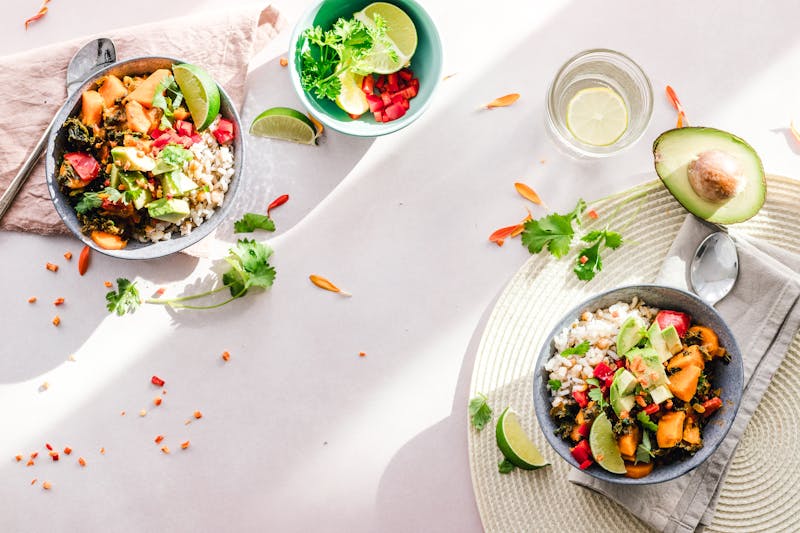
Practical liver health strategy: fill half your plate with vegetables at each meal, include fatty fish twice weekly for Omega-3s, limit alcohol to guideline-recommended levels, avoid processed foods containing high-fructose corn syrup, and consider green tea as a daily antioxidant-rich beverage with documented mild hepatoprotective properties.
Medical Disclaimer: The information in this article is for educational purposes only and should not be construed as medical advice. Always consult a qualified healthcare professional regarding any medical condition or treatment plan.
Dr. Priya Nair
Hepatologist & Clinical Nutritionist
A trusted contributor at pranavive, sharing evidence-based insights to help readers build healthier, more balanced lives.