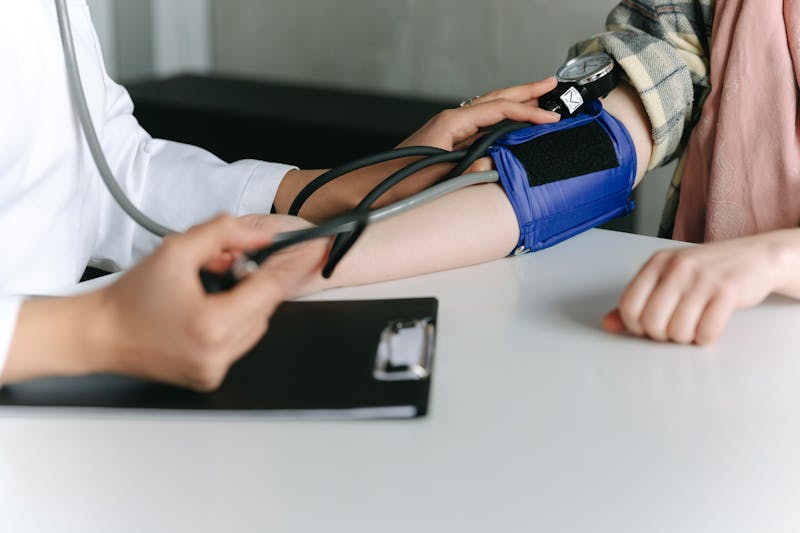
Chronic arterial hypertension affects an estimated 1.28 billion adults globally, making it the world's leading preventable risk factor for cardiovascular disease, stroke, and kidney failure. Because it often progresses without noticeable symptoms, regular clinical screening is vital for preventing long-term vascular damage.
Arterial walls can sustain damage from elevated pressure for years without causing noticeable physical symptoms - earning hypertension the name 'the silent killer.' If left unmanaged, this chronic strain contributes to arterial stiffening (atherosclerosis), kidney dysfunction, left ventricular hypertrophy, retinal damage, and significantly elevated cerebrovascular risk.
While hypertension itself is often asymptomatic, a significant spike in blood pressure - typically systolic over 180 mmHg or diastolic over 120 mmHg - can produce acute symptoms. If a hypertensive reading is accompanied by severe occipital headache, chest pain, dyspnea, blurred vision, or neurological changes, this represents a hypertensive emergency requiring immediate medical care - do not wait to see if it passes.
Blood pressure classification: optimal is below 120/80 mmHg; elevated is 120-129 systolic with diastolic below 80; stage 1 hypertension is 130-139/80-89 mmHg; stage 2 is 140+/90+ mmHg. Hypertensive crisis is above 180/120 mmHg and requires emergency evaluation. Home blood pressure monitoring provides more clinically reliable data than single in-office readings.
The most evidence-based lifestyle interventions for blood pressure reduction include: reducing dietary sodium (targeting below 2g/day provides a 5-6 mmHg reduction), regular aerobic exercise (3-5 mmHg reduction), the DASH dietary pattern, maintaining healthy weight (each 1kg of weight loss reduces systolic BP by approximately 1 mmHg), limiting alcohol, and managing chronic stress. These interventions combined can rival the effect of a single antihypertensive medication.
Medical Disclaimer: The information in this article is for educational purposes only and should not be construed as medical advice. Always consult a qualified healthcare professional regarding any cardiovascular condition, blood pressure readings, or treatment plan.
Dr. Meera Kapoor
Cardiologist & Hypertension Specialist
A trusted contributor at pranavive, sharing evidence-based insights to help readers build healthier, more balanced lives.