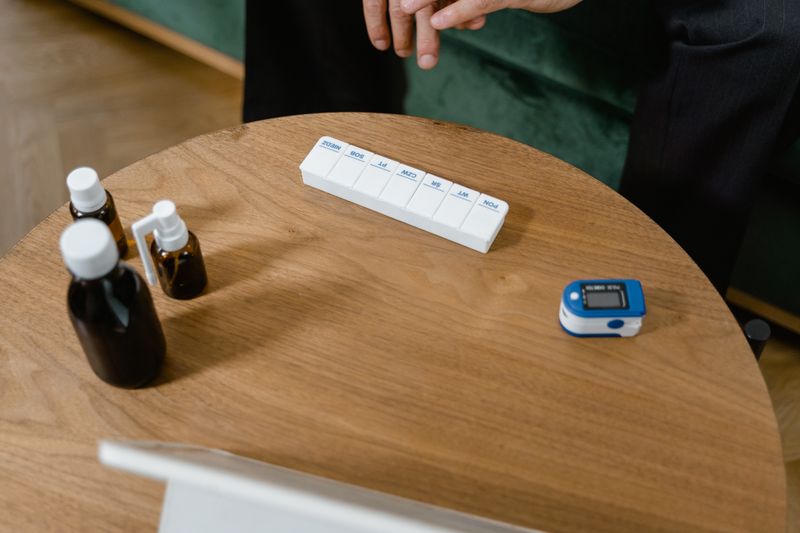
Medication non-adherence and outpatient dosing errors represent significant drivers of avoidable emergency department visits worldwide. These occurrences are frequently linked to misunderstandings of medical jargon and abbreviated Latin shorthand found on prescription labels - knowledge gaps that are entirely preventable with education.
A standard prescription label features critical structural elements: the unique prescription number, drug nomenclature (generic vs. proprietary brand name), exact molecular strength per dosing unit, and expiration or discard dates. Verifying these fields before consuming any medication helps catch dispensing discrepancies at the pharmacy level.
Prescribers frequently employ standardized abbreviations derived from Latin directives. Key ones to know: BID (bis in die) means twice daily, ideally spaced every 12 hours; TID (ter in die) means three times daily, spaced every 8 hours; QID (quater in die) means four times daily, spaced every 6 hours; PRN (pro re nata) means as needed based on symptoms; and PO (per os) means to be administered orally.
Auxiliary warning labels (the color-coded stickers on prescription bottles) convey critical interaction and timing information: 'Take with food' typically indicates a medication that irritates the gastric lining or requires dietary fats for absorption; 'Avoid sunlight' indicates photosensitization risk; 'Do not drink alcohol' warns of potentially dangerous central nervous system interactions.
Never adjust dosing intervals based on convenience without consulting your pharmacist or prescriber. Medications prescribed TID or QID are timed to maintain therapeutic blood plasma levels - taking multiple doses simultaneously to 'catch up' can create dangerous concentration spikes. When in doubt, your pharmacist is an underutilized clinical resource available without an appointment.
Medical Disclaimer: The information in this article is for educational purposes only and should not be construed as medical advice. Always consult a qualified healthcare professional or pharmacist regarding any medication-related questions.
Dr. Rahul Sharma
Doctor of Pharmacy (PharmD)
A trusted contributor at pranavive, sharing evidence-based insights to help readers build healthier, more balanced lives.